Micropigmentation and Tattooing Expert Witness
Permanent Makeup, Microblading and Medical Tattooing
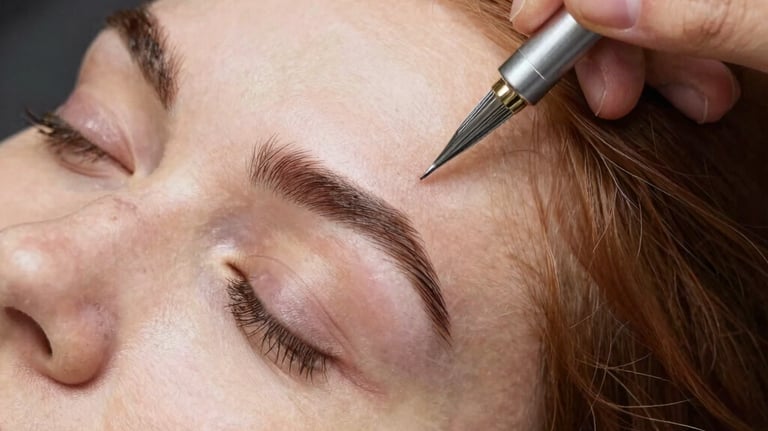
Micropigmentation procedures including permanent makeup and microblading are increasingly common within the beauty and aesthetics sector. These treatments involve implanting pigment into the skin to create cosmetic or restorative results.
As with other cosmetic procedures, disputes may arise in relation to treatment outcomes, practitioner competence, hygiene standards and consent processes.
Expert evidence may therefore be required in legal proceedings where questions arise regarding professional standards within micropigmentation or tattooing practice.
Laura Minett provides independent expert witness opinion in cases involving permanent makeup, microblading and medical tattooing procedures.
Reports are prepared in accordance with CPR Part 35 and Practice Direction 35.
Issues commonly examined in micropigmentation claims
An expert witness provides independent professional opinion to assist the Court in understanding industry standards within micropigmentation and cosmetic tattooing practice.
This may involve reviewing treatment records, consultation documentation, photographs and practitioner qualifications in order to assess whether the treatment was performed appropriately.
The expert’s duty is to the Court and the opinion provided is independent of the instructing party.
When preparing expert reports, documentation may include:
• consultation records and treatment notes
• consent forms
• before and after photographs
• pigment and equipment details where available
• practitioner training certificates
• aftercare instructions
• witness statements where relevant




Role of the Expert Witness
Documentation typically reviewed
Expert opinion may be required where concerns arise regarding practitioner conduct, treatment planning or outcomes.
Examples include:
• adequacy of client consultation and suitability assessment
• informed consent prior to cosmetic tattooing
• hygiene standards and infection control procedures
• practitioner training and competence
• pigment choice and technique considerations
• management of complications or unsatisfactory outcomes
• aftercare advice and follow up protocols
• documentation and treatment records
Complications or disputes may arise where treatment outcomes differ from expectations or where procedures are carried out without appropriate consultation or consent processes.
Expert evidence assists the Court in determining whether the practitioner acted in accordance with accepted professional standards within the industry.
Beauty Business Expert | Medico legal work and Expert Witness Reports in Aesthetic Treatments, Permanent Makeup and Beauty practice across the UK.
Laura@luminabeautycoaching.co.uk